¿El éxito turístico de España es sostenible a largo plazo? Análisis DAFO
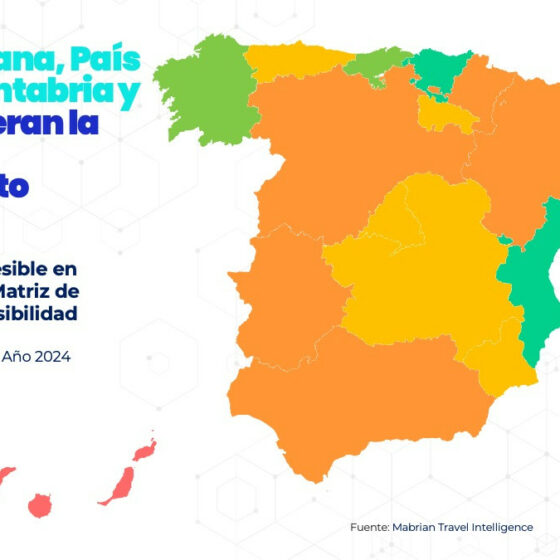
📖 The HOSTELTUR magazine article from January 2025 highlights Spain's tourism sector challenges and statistics. Post-pandemic tourist arrival records in 2023 and 2024 face personnel shortages threatening competitiveness. Factors include job losses from COVID-19, unattractive work conditions, and high turnover rates. INE data shows 52% of tourism businesses did not innovate in 2019, and SEPE data reveals 31.4% of contracts in 2023 were less than a month. CaixaBank reports 37% of tourism workers have only basic education, with 60% lacking specialized training. 34.3% of hotel nights were direct bookings in 2023, down from 41.4% in 2022, while 38% used online agencies. A historical fine of €413 million was imposed on Booking.com in 2024. The success of tourism poses a double-edged sword for municipalities, with 60,000 average residents but hosting 10% of Spain's tourists in summer. BBVA Research predicts a 7% drop in tourism demand by century's end in severe warming scenarios, with northern provinces benefitting and southern regions, including the Balearic Islands, seeing a decline. Climate change, international competition, and potential crises are significant threats, while Spain's cultural heritage, developed infrastructure, diversified offerings, favorable climate, and safety remain strengths. Spain is second in the WEF's
Compartir